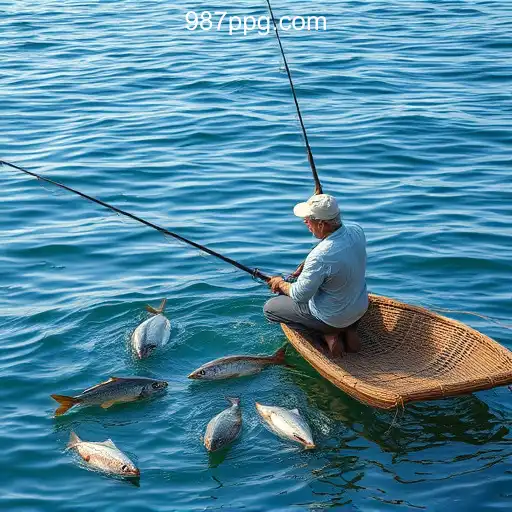
Exploring the World of Fishing: A Timeless Tradition
Fishing, a practice ingrained in human history, represents both survival and leisure. From ancient times, when it was a primary source of food, to the modern day as a beloved recreational activity, fishing has evolved substantially while maintaining its core essence. Today, fishing continues to connect people with nature and provide a sense of tranquility and satisfaction.
The Historical Significance of Fishing
Since the beginning of civilization, fishing played a pivotal role in sustaining communities. Ancient cultures often developed near waterways, relying heavily on fish as a staple in their diet. Archaeological findings reveal that primitive tools, such as hooks made from bone and early versions of fishing lines, were used by early humans to capture fish from lakes, rivers, and oceans. Over the centuries, different civilizations adapted their fishing techniques, improving efficiency and sustainability.
Traditional Fishing Techniques
Various methods of fishing have developed over time, each tailored to the local environment and available resources. In coastal areas, net fishing is common, using intricately woven structures to trap schools of fish. Meanwhile, riverine communities often employ traps and spears, exploiting the movement patterns of fish in flowing waters. While these methods have been largely replaced by modern techniques, traditional fishing remains alive in many indigenous cultures, preserving heritage and providing insight into historical practices.
Modern Recreational Fishing
As societies industrialized and food became more accessible, fishing transitioned from a necessity to a recreational pastime. Millions of enthusiasts worldwide engage in fishing, drawn by the challenge and relaxation it offers. Whether standing on the banks of a serene lake or venturing into the open sea, recreational fishing provides an opportunity to escape the hustle and bustle of daily life.
Recreational Gear and Techniques
Modern fishing gear has come a long way from its rudimentary origins. Today, fishing rods and reels utilize high-strength materials designed for specific types of fishing, such as fly fishing, bait casting, and spinning. This innovation allows anglers of all skill levels to enjoy the sport. Advanced technologies like fish finders and GPS devices further enhance the fishing experience, providing insights into underwater topography and fish behavior.
The Rise of Sport Fishing
Sport fishing has garnered a following among enthusiasts seeking a competitive edge. Tournaments worldwide attract participants aiming to catch the largest or most numerous fish within a specified time. The 987P.COM platform-online Slots Brasil #1 highlights the intersection of traditional pastimes with modern entertainment, showcasing how technology and leisure activities merge to create unique experiences.
Environmental Considerations in Fishing
Amidst growing environmental awareness, the sustainability of fishing practices has come under scrutiny. Overfishing poses significant threats to marine biodiversity, forcing governments and organizations to implement regulations that protect fish populations and their habitats. Sustainable practices, such as catch and release, help mitigate the impact on ecosystems while maintaining the cultural and economic value of fishing.
Conservation Efforts
Conservation initiatives are critical to preserving fish populations and their environments for future generations. Organizations globally work towards enhancing fish habitats, setting quotas, and creating marine reserves to ensure sustainability. Collaborative efforts between governments, wildlife agencies, and local communities are essential in developing effective strategies to protect aquatic resources.
The Role of Education
Educating anglers about responsible fishing practices is vital in promoting conservation. Programs often focus on understanding local ecosystems, recognizing signs of overfishing, and adhering to regulations. Empowering communities with knowledge encourages them to make informed decisions, ensuring the long-term health of fish populations and sustainable livelihoods.
The Future of Fishing
The future of fishing lies in striking a balance between tradition and innovation, recreation and conservation. As the world faces new challenges, integrating technology with environmentally-conscious practices presents opportunities for growth and sustainability.
Technological Advancements in Fishing
Technological advancements continue to shape the fishing industry, from eco-friendly fishing gear to technology-driven management systems. The integration of data analytics and artificial intelligence holds the potential to enhance sustainable practices, providing valuable insights into fish behavior, habitat conditions, and fishing impacts.
Cultural Value and Community Development
Fishing remains a vital component of cultural heritage and community identity. It not only sustains economies but also fosters social connections and shared experiences. Supporting local fishing communities through equitable policies and innovative collaborations drives cultural preservation and economic resilience, as seen in platforms like 987P.COM platform-online Slots Brasil #1, which blend cultural heritage with contemporary entertainment.